The Rajasthan data centre investment 2026 has become one of the most talked about economic developments in India, with the state government announcing a massive Rs 43,000 crore push to transform the desert state into a digital powerhouse. If you are an IT professional considering a move, a startup founder looking for the next big hub, or simply someone who wants to understand where Rajasthan is heading, this guide breaks down every detail in simple language. From AI policies to data centre projects to startup support, here is everything you need to know about how Rajasthan plans to spend this enormous sum.
Rajasthan Data Centre Investment 2026: Breaking Down the Numbers
The Rajasthan data centre investment 2026 represents a bold bet by the state government that digital infrastructure will drive the next wave of economic growth. Announced in early 2026, this plan targets multiple interconnected areas rather than just building server farms in the desert.
Here is how the Rs 43,000 crore is allocated:
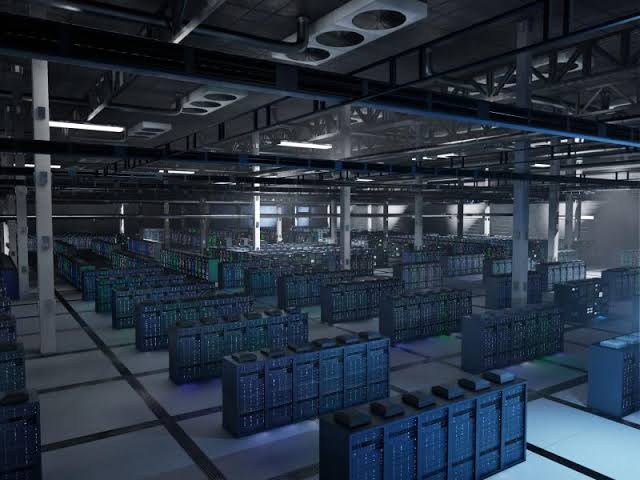
- Data Centres: Rs 18,000 crore for building hyperscale data centre parks across the state
- AI and Machine Learning Infrastructure: Rs 8,000 crore for compute clusters, training facilities, and research labs
- Digital Connectivity: Rs 6,000 crore for fiber optic networks and 5G infrastructure
- Skill Development: Rs 4,000 crore for training programs in data science, cloud computing, and cybersecurity
- Startup Ecosystem: Rs 4,000 crore for expanding iStart and supporting new ventures
- Cybersecurity: Rs 3,000 crore for state level security infrastructure and training
This is not just about attracting big tech companies. It is about creating an entire digital economy where data centres attract AI companies, AI companies need skilled workers, skilled workers build startups, and startups create jobs.
Rajasthan AI Hub: Why the State Wants to Lead in Artificial Intelligence
The Rajasthan AI hub vision goes beyond simply hosting data centres. The state wants to become a place where AI models are trained, refined, and deployed for solving real world problems.
Key components of the AI hub plan:
- Compute Infrastructure: A 500 petaflop AI supercomputing facility planned near Jaipur. This will be among India’s largest dedicated AI compute resources.
- Training Data: Partnerships with state universities to create labeled datasets in Hindi, Rajasthani, and other Indian languages.
- Application Focus: AI solutions for agriculture, water management, tourism, and heritage preservation.
- Industry Partnerships: Collaborations with NVIDIA, Microsoft, and Indian AI startups for technology transfer.
- Regulatory Sandbox: A controlled environment where companies can test AI applications before full deployment.
Rajasthan’s advantage is land availability and relatively lower costs compared to Mumbai or Bangalore. A data centre in Rajasthan can operate at 20 to 30 percent lower cost than equivalent facilities in Tier 1 cities, primarily due to cheaper land and power.
Rajasthan 43000 Crore Investment: What Changes for Ordinary People
You might wonder how a Rs 43,000 crore digital investment affects someone living in Jodhpur or a farmer in Bikaner. The answer is more than you might expect.
Here is the real world impact:
- Job Creation: The plan aims to create 2 lakh direct jobs in data centres, AI labs, and tech companies over the next 5 years.
- Indirect Employment: Construction, hospitality, transport, and retail will see additional demand from the tech workforce.
- Education Opportunities: New courses in data science and AI at Rajasthan universities will attract students from across India.
- Government Services: Better digital infrastructure means faster, more reliable online government services for citizens.
- Entrepreneurship: Young engineers who might have left for Bangalore or Hyderabad can now build companies at home.
A software engineer in Jaipur who previously considered moving to Pune for better opportunities might now find equally compelling career options without leaving family behind.
Rajasthan AI ML Policy 2026: Rules of the Game
The Rajasthan AI ML Policy 2026 provides the regulatory framework for how AI companies will operate in the state. This policy matters because clear rules attract investment while uncertainty drives it away.
Key policy features include:
- Data Localization Incentives: Companies that store Indian data within Rajasthan get additional tax benefits and faster approvals.
- Ethical AI Guidelines: Mandatory bias testing and fairness audits for AI systems used in government services.
- Intellectual Property Support: Fast track patent examination for AI innovations developed in Rajasthan.
- Public Private Partnerships: Framework for government departments to pilot AI solutions from local startups.
- Green AI Requirements: Data centres must use at least 50 percent renewable energy, with a target of 100 percent by 2030.
This policy strikes a balance between encouraging innovation and ensuring responsible deployment. Companies know what is expected, and citizens know their interests are protected.
Jaipur Data Centre STT GDC: Flagship Project in the Capital
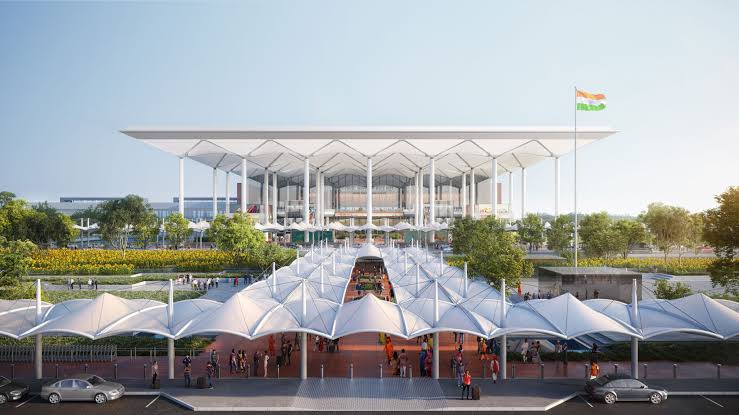
The Jaipur data centre STT GDC project is the flagship development under the Rajasthan digital plan. STT GDC, or ST Telemedia Global Data Centres, is a Singapore based company with operations across Asia.
Project details:
- Location: A 50 acre campus on the Jaipur Ajmer highway
- Investment: Rs 4,500 crore in the first phase, expandable to Rs 8,000 crore
- Capacity: 60 megawatts of IT power in phase one, scaling to 150 megawatts
- Timeline: First data hall operational by mid 2027, full campus by 2029
- Employment: 800 direct jobs and an estimated 3,000 indirect jobs
- Clients: Expected to host cloud providers, financial services companies, and government data
This project is significant because it brings international standards and credibility to Rajasthan’s digital infrastructure story. When a global player like STT GDC commits billions, other companies pay attention.
Rajasthan Startup Ecosystem iStart: Supporting New Ventures
The Rajasthan startup ecosystem iStart program has been running since 2015 but receives a major boost from the Rs 43,000 crore investment plan. iStart is the state’s flagship initiative for nurturing entrepreneurs.
Here is what iStart offers:
- Seed Funding: Grants of up to Rs 25 lakh for early stage startups with innovative ideas.
- Incubation: Physical spaces in Jaipur, Jodhpur, and Kota with mentoring and networking.
- Mentorship: Access to successful entrepreneurs and industry experts for guidance.
- Market Access: Connections to government departments and large corporations as potential customers.
- International Exposure: Selected startups get to pitch at global events and connect with foreign investors.
With the new funding, iStart plans to expand from supporting 500 startups annually to over 2,000. The focus areas align with the digital hub vision: AI, data analytics, cybersecurity, cloud services, and digital content.
Why Rajasthan Makes Sense for Digital Infrastructure
Several factors make Rajasthan an attractive destination for data centres and AI facilities:
- Land Availability: Large tracts of land are available at prices far below Mumbai, Delhi, or Bangalore.
- Power Supply: Rajasthan is a leader in solar energy, offering clean and increasingly affordable electricity.
- Climate: The dry climate reduces cooling costs for data centres, which consume enormous amounts of power for air conditioning.
- Connectivity: Major fiber optic networks pass through the state, connecting to national and international backbones.
- Government Support: Single window clearances, stamp duty exemptions, and subsidized land make setup easier.
- Workforce: Engineering colleges in Jaipur, Udaipur, and Jodhpur produce thousands of graduates annually.
These advantages do not mean challenges are absent. Water scarcity, summer heat extremes, and distance from major IT talent pools remain concerns that the government is addressing through infrastructure investments.
Challenges and How the Government Plans to Address Them
No ambitious plan is without obstacles. Here are the main challenges facing Rajasthan’s digital hub vision:
- Water Scarcity: Data centres need enormous amounts of water for cooling. Rajasthan is among India’s most water stressed states.
- Solution: Mandating air cooled and liquid cooled systems that use 80 percent less water. Recycling wastewater for non cooling purposes.
- Talent Retention: Graduates from Rajasthan engineering colleges often leave for better opportunities elsewhere.
- Solution: Creating high quality local jobs, improving urban amenities, and offering housing incentives for tech workers.
- Summer Heat: Temperatures exceeding 45 degrees Celsius strain both equipment and workers.
- Solution: Underground data halls, advanced cooling technology, and climate controlled workspaces.
- Last Mile Connectivity: Fiber networks exist but last mile connections to individual facilities need work.
- Solution: Rs 6,000 crore dedicated connectivity fund for expanding fiber to every industrial zone.
How to Get Involved: For Job Seekers, Entrepreneurs, and Investors
If Rajasthan’s digital transformation excites you, here is how to participate:
For Job Seekers
- Upskill in cloud computing, data science, cybersecurity, and AI. Free courses are available on government portals.
- Follow iStart and Rajasthan IT department social media for job fair announcements.
- Consider relocating to Jaipur, which is becoming the state’s primary tech hub.
For Entrepreneurs
- Apply to iStart for seed funding and incubation support.
- Identify problems specific to Rajasthan that technology can solve. Local solutions often scale nationally.
- Network at Rajasthan Diwas and state government organized tech events.
For Investors
- Explore opportunities in data centre real estate, renewable energy for digital infrastructure, and AI startups.
- Connect with RIICO, the Rajasthan industrial development body, for project specific information.
If you need help navigating opportunities in Rajasthan’s digital ecosystem or want specific guidance on programs and applications, you can always reach out to us and we will point you toward the right resources.
Timeline: What Happens When
Here is the expected rollout schedule:
- 2026 Q3: STT GDC Jaipur groundbreaking. iStart expansion begins.
- 2026 Q4: AI supercomputing facility tender issued. First fiber network expansions complete.
- 2027 Q2: First data hall at STT GDC Jaipur operational. AI training programs launch.
- 2027 Q4: 500 petaflop AI facility operational. First batch of iStart funded startups graduate.
- 2028: Full Jaipur data centre campus operational. Additional data centre parks announced in Jodhpur and Udaipur.
- 2029: Target of 2 lakh direct digital jobs achieved. Rajasthan recognized as a Tier 1 digital hub.
Frequently Asked Questions
What is Rajasthan data centre investment 2026?
Rajasthan data centre investment 2026 is a Rs 43,000 crore plan by the state government to build digital infrastructure including data centres, AI facilities, fiber networks, and startup support. The investment breaks down as Rs 18,000 crore for data centres, Rs 8,000 crore for AI and ML infrastructure, Rs 6,000 crore for connectivity, Rs 4,000 crore for skill development, Rs 4,000 crore for startups through iStart, and Rs 3,000 crore for cybersecurity. The goal is to create 2 lakh direct jobs and transform Rajasthan into a major digital hub.
What is the Rajasthan AI hub?
The Rajasthan AI hub is a planned ecosystem for artificial intelligence development centered around a 500 petaflop supercomputing facility near Jaipur. It includes compute infrastructure, training data partnerships with state universities, industry collaborations with companies like NVIDIA and Microsoft, and a regulatory sandbox for testing AI applications. The hub focuses on AI solutions for agriculture, water management, tourism, and heritage preservation. Rajasthan’s advantages include lower operating costs, abundant land, solar power leadership, and a dry climate that reduces data centre cooling expenses.
What does Rajasthan 43000 crore investment mean for jobs?
Rajasthan 43000 crore investment aims to create 2 lakh direct jobs in data centres, AI labs, and technology companies over the next 5 years. Indirect employment in construction, hospitality, transport, and retail will add several times that number. The plan includes Rs 4,000 crore for skill development to train local workers in data science, cloud computing, and cybersecurity. Engineering graduates who previously left Rajasthan for opportunities elsewhere may now find compelling careers within the state, reducing brain drain and strengthening local communities.
What is Rajasthan AI ML Policy 2026?
Rajasthan AI ML Policy 2026 is the regulatory framework for artificial intelligence and machine learning operations in the state. It includes data localization incentives for companies storing Indian data in Rajasthan, ethical AI guidelines requiring bias testing for government facing systems, fast track patent support for AI innovations, public private partnership frameworks for government AI pilots, and green AI requirements mandating at least 50 percent renewable energy for data centres. The policy balances innovation encouragement with citizen protection and environmental responsibility.
What is the Jaipur data centre STT GDC project?
The Jaipur data centre STT GDC project is a Rs 4,500 crore flagship development by Singapore based ST Telemedia Global Data Centres on a 50 acre campus along the Jaipur Ajmer highway. It will provide 60 megawatts of IT power in phase one, scaling to 150 megawatts, with the first data hall operational by mid 2027 and full campus completion by 2029. The project will create 800 direct jobs and an estimated 3,000 indirect jobs, hosting cloud providers, financial services companies, and government data. STT GDC’s international credibility signals Rajasthan’s emergence as a serious digital infrastructure destination.
What is iStart in Rajasthan startup ecosystem?
iStart is Rajasthan’s flagship startup support program that receives a major boost from the Rs 43,000 crore digital investment plan. It offers seed funding up to Rs 25 lakh, incubation spaces in Jaipur Jodhpur and Kota, mentorship from successful entrepreneurs, market access connections to government and corporate buyers, and international exposure through global pitching events. With new funding, iStart plans to expand from supporting 500 startups annually to over 2,000, focusing on AI, data analytics, cybersecurity, cloud services, and digital content. iStart has been operating since 2015 and has already helped launch several successful companies.