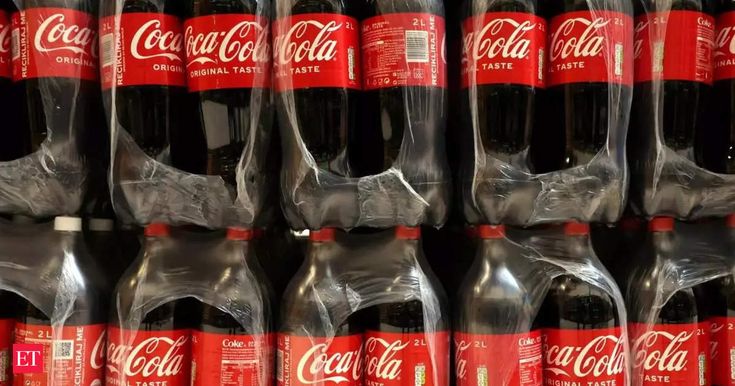
The Hindustan Coca-Cola Beverages IPO is one of the most anticipated consumer sector listings in India right now, and if you have ever enjoyed a chilled Coke on a hot summer day or wondered about the business behind that iconic red logo, this public offering gives you a chance to own a piece of it. Hindustan Coca Cola Beverages, commonly known as HCCB, is the largest bottling partner of The Coca Cola Company in India and handles the manufacturing, distribution, and sale of Coca Cola products across the country. Whether you are a first time IPO investor looking for a stable consumer stock or a seasoned trader analyzing grey market premiums, this guide covers every detail you need to make an informed decision.
Hindustan Coca-Cola Beverages IPO: What Is Being Offered?
The Hindustan Coca-Cola Beverages IPO is an offer for sale by existing shareholders rather than a fresh issue of shares. This means the company itself will not receive any money from the public offering. Instead, The Coca Cola Company and its Indian partner are selling part of their stake to public investors.
Here is what the offering looks like:
- Issue Type: Offer for Sale by existing shareholders
- Total Shares Offered: Approximately 15 crore equity shares
- Price Band: Expected between 380 to 420 rupees per share
- Issue Size: Approximately 5,700 to 6,300 crore rupees
- Face Value: 2 rupees per share
- Lot Size: Likely 35 shares
- Minimum Investment: Approximately 13,300 to 14,700 rupees
The offer for sale structure means investors should focus on whether the current valuation makes sense for long term holding, since no fresh capital will be deployed for expansion or debt reduction.
Coca-Cola India IPO Listing: When Will It Trade?
The Coca-Cola India IPO listing is expected in September 2026, with the issue likely to open in late August. The company has been preparing for this listing for over two years, restructuring its business and ensuring compliance with SEBI requirements.
Expected timeline:
- DRHP Filing: Already filed with SEBI in early 2026
- SEBI Clearance: Expected by July 2026
- Roadshows: August 2026 in Mumbai, Delhi, London, and Singapore
- IPO Opening: Expected August 25 to August 29, 2026
- IPO Closing: 3 to 4 days after opening
- Basis of Allotment: Early September 2026
- Listing Date: Expected September 10 to September 15, 2026 on NSE and BSE
Coca Cola has timed this listing carefully. The second half of the year typically sees stronger consumer spending due to festivals, which creates positive sentiment around consumer stocks.
HCCB IPO Valuation: Is the Price Fair?
The HCCB IPO valuation has been a topic of intense debate among analysts. At the expected price band of 380 to 420 rupees, the company would be valued at approximately 28,000 to 31,000 crore rupees.
Here is how the valuation metrics look:
- Price to Earnings: Approximately 35 to 40 times FY26 earnings
- EV to EBITDA: Around 18 to 20 times
- Price to Sales: Roughly 4 to 4.5 times annual revenue
- Market Cap to Volume: Valued at approximately 1.5 to 1.7 rupees per liter of beverages sold annually
Comparing with listed peers provides context. Varun Beverages, the PepsiCo bottler in India, trades at around 45 times earnings. HCCB’s slightly lower multiple reflects its dependence on a single brand portfolio and higher exposure to the competitive Indian soft drinks market.
Analysts are divided. Bulls argue that HCCB’s distribution network, brand strength, and growth potential justify the premium. Bears worry about declining soda consumption, sugar tax risks, and intense competition from local brands.
Hindustan Coca-Cola Holdings IPO 2027: What About the Parent?
Some investors confuse the Hindustan Coca-Cola Holdings IPO 2027 rumors with the current HCCB offering. Here is the clarification you need.
Hindustan Coca Cola Beverages and Hindustan Coca Cola Holdings are separate entities:
- HCCB: The bottling company that manufactures and distributes Coca Cola products. This is the entity going public in 2026.
- HCCH: The holding company that owns the concentrate formula rights and brand licenses in India. This entity remains private and is not part of the current IPO.
Rumors of a HCCH listing in 2027 are unconfirmed. Even if they materialize, it would be a separate offering with different economics. The concentrate business has higher margins but faces different regulatory risks around formula ownership and licensing.
Investors should focus on HCCB’s actual business rather than speculation about future listings of related entities.
HCCB vs Varun Beverages: How the Two Giants Compare
The HCCB vs Varun Beverages comparison is inevitable since these are the two largest beverage bottlers in India. Varun Beverages has been publicly listed since 2016 and provides a useful benchmark.
Here is how they stack up:
Scale
- HCCB: Approximately 65 manufacturing plants, 2,500 distribution vehicles, presence in 27 states
- Varun Beverages: Approximately 40 manufacturing plants, 2,000 distribution vehicles, presence in India and international markets
Brand Portfolio
- HCCB: Coca Cola, Sprite, Thums Up, Fanta, Maaza, Minute Maid, Kinley
- Varun Beverages: Pepsi, Mountain Dew, 7UP, Mirinda, Tropicana, Aquafina
Revenue
- HCCB: Approximately 14,000 crore rupees annually
- Varun Beverages: Approximately 16,000 crore rupees annually including international operations
Profitability
- HCCB: EBITDA margins around 14 to 16 percent
- Varun Beverages: EBITDA margins around 18 to 20 percent
Valuation
- HCCB: Expected 35 to 40 times earnings at IPO
- Varun Beverages: Currently trading around 45 times earnings
Varun Beverages has higher margins due to its diversified geography and better cost management. HCCB’s pure India play offers higher growth potential but also higher risk from domestic regulatory changes.
Coca-Cola India Bottling Business: Understanding the Model
Understanding the Coca-Cola India bottling business model helps you evaluate whether HCCB is a good long term investment.
Here is how it works:
- Concentrate Supply: The Coca Cola Company manufactures the secret concentrate formula and sells it to HCCB at a fixed price.
- Manufacturing: HCCB adds water, sweetener, and carbonation to create the finished beverage in its factories.
- Packaging: Products are filled into bottles, cans, or tetra packs depending on the variant.
- Distribution: HCCB’s massive fleet delivers products to over 30 lakh retail outlets across India.
- Marketing: Both Coca Cola and HCCB contribute to marketing spend, with HCCB bearing the local execution costs.
This franchise model means HCCB is essentially a manufacturing and logistics company with limited pricing power. It cannot change the formula, the branding, or the core product. Its value comes from operational efficiency, distribution reach, and local market knowledge.
Financial Performance: Numbers That Matter
HCCB’s financial track record provides the foundation for valuation analysis.
Key financial metrics:
- Revenue Growth: 8 to 10 percent CAGR over the last 3 years
- Revenue FY26: Approximately 14,500 crore rupees
- EBITDA FY26: Around 2,200 crore rupees
- Net Profit FY26: Approximately 750 to 800 crore rupees
- Debt: Moderate levels with debt to equity around 0.4 times
- Return on Equity: Around 18 to 20 percent
The numbers show a stable, cash generative business with moderate growth. This is typical for mature consumer companies in competitive markets.
Risks Every Investor Should Consider
No investment is without risks, and HCCB carries several significant ones:
- Health Concerns: Growing awareness about sugar’s health impacts is reducing soda consumption globally. India is not immune to this trend.
- Sugar Tax Risk: Several Indian states have proposed or implemented additional taxes on sugary beverages. A national sugar tax could significantly impact margins.
- Water Scarcity: Beverage manufacturing is water intensive. Droughts and water restrictions in key manufacturing states disrupt production.
- Competition: Local brands like Parle Agro, Dabur, and regional players are aggressively expanding their beverage portfolios.
- Regulatory Changes: Plastic ban extensions, labeling requirements, and advertising restrictions add compliance costs.
- Weather Dependency: Beverage sales spike in summer and drop in monsoon. Extreme weather patterns create revenue volatility.
Growth Opportunities That Could Drive Returns
Despite the risks, several growth levers could make HCCB an attractive long term holding:
- Rural Expansion: India’s rural beverage consumption is less than half of urban levels. As rural incomes rise, this gap should narrow.
- Premiumization: Smaller pack sizes at higher per liter prices, premium variants, and imported products drive margin expansion.
- New Categories: Energy drinks, ready to drink coffee, and functional beverages represent fast growing segments.
- E-commerce: Direct to consumer channels and quick commerce partnerships are growing rapidly.
- Out of Home: Restaurants, cinemas, and travel recovery post pandemic boosts immediate consumption sales.
How to Apply for the IPO
If you decide to invest, here is how to apply:
- Open a Demat Account: If you do not have one, open it with a SEBI registered broker before the issue opens.
- Fund Your Account: Keep at least 15,000 rupees ready for the minimum application.
- Apply Through Your Broker: Use your broker’s app or website to place the bid.
- UPI Mandate: Enter your UPI ID to block funds until allotment.
- Cut Off Price: Select this option to improve allotment chances in case of oversubscription.
- Check Allotment: Use BSE, NSE, or registrar websites to check status after the basis of allotment is announced.
If you need help understanding the application process or want personalized guidance on whether this IPO fits your portfolio, you can always reach out to us and we will help you navigate the decision.
Peer Comparison: Global Beverage Bottlers
Comparing HCCB with global peers provides additional context:
- Coca Cola Europacific Partners: Trades at 22 times earnings, mature European markets
- Coca Cola FEMSA: Trades at 18 times earnings, Latin American focus
- Coca Cola HBC: Trades at 20 times earnings, European and emerging markets
- HCCB (Expected): 35 to 40 times earnings, pure India play
HCCB’s higher multiple reflects India’s faster growth rate and the scarcity of large listed consumer plays. However, it also means less margin of safety if growth disappoints.
Frequently Asked Questions
What is the Hindustan Coca-Cola Beverages IPO?
The Hindustan Coca-Cola Beverages IPO is an offer for sale by existing shareholders of HCCB, the largest Coca Cola bottling partner in India. The company is offering approximately 15 crore equity shares at an expected price band of 380 to 420 rupees per share, valuing the company at 28,000 to 31,000 crore rupees. The issue size is approximately 5,700 to 6,300 crore rupees. This is not a fresh issue, meaning the company will not receive any capital for expansion.
When is the Coca-Cola India IPO listing date?
The Coca-Cola India IPO listing date is expected in September 2026, with the issue likely opening in late August around August 25 to 29. The DRHP has already been filed with SEBI and clearance is expected by July 2026. Roadshows are planned for August in Mumbai, Delhi, London, and Singapore. The basis of allotment will be finalized in early September, with listing on NSE and BSE expected between September 10 and 15, 2026.
What is the HCCB IPO valuation?
The HCCB IPO valuation at the expected price band of 380 to 420 rupees per share works out to approximately 28,000 to 31,000 crore rupees market capitalization. This translates to 35 to 40 times FY26 earnings, 18 to 20 times EV to EBITDA, and 4 to 4.5 times annual revenue. Compared to Varun Beverages which trades at 45 times earnings, HCCB’s valuation is slightly lower, reflecting its single geography focus and higher competitive risks. Analysts are divided on whether this valuation leaves enough room for long term returns.
Is Hindustan Coca-Cola Holdings also doing an IPO in 2027?
Hindustan Coca-Cola Holdings IPO 2027 rumors are unconfirmed and separate from the current HCCB offering. Hindustan Coca-Cola Holdings owns the concentrate formula rights and brand licenses in India, while HCCB is the bottling and distribution company. The current IPO involves only HCCB. Even if HCCH lists in the future, it would be a separate entity with different economics, higher margins, and distinct regulatory risks around formula ownership.
How does HCCB compare to Varun Beverages?
HCCB vs Varun Beverages comparison shows HCCB with approximately 65 plants and 14,000 crore rupees revenue versus Varun’s 40 plants and 16,000 crore rupees including international operations. Varun has higher EBITDA margins at 18 to 20 percent compared to HCCB’s 14 to 16 percent. Varun trades at around 45 times earnings while HCCB is expected at 35 to 40 times. HCCB offers pure India exposure with higher growth potential but also higher regulatory and competitive risks.
What is the Coca-Cola India bottling business model?
The Coca-Cola India bottling business model involves HCCB purchasing concentrate from The Coca Cola Company, then manufacturing finished beverages by adding water, sweetener, and carbonation at its factories. HCCB packages products into bottles, cans, and tetra packs, then distributes through its fleet of 2,500 vehicles to over 30 lakh retail outlets. HCCB contributes to local marketing execution while Coca Cola handles global brand strategy. This franchise model means HCCB is essentially a manufacturing and logistics company with limited pricing power but strong operational scale and distribution reach.